Man Made Diamonds
And
Comparing Simulant, Synthetic Rings
Man made diamonds are perfect for couples looking for affordable,
100% conflict free and environmentally friendly engagement rings or
wedding bands.
Here you will find how lab diamonds measure up to real
diamonds,
different types of lab created diamonds and their pros and cons, the
differences between simulant and synthetic diamonds, plus info that will
help you to decide which diamonds are the best man made diamonds for
your rings
Fast Fun Facts About
Created Diamonds!
The first successful synthetic diamond creation occurred in the late 1800s.
Natural white sapphire is sometimes considered a diamond simulant.
Colored synthetic diamonds are much cheaper than colorless (white) synthetic diamonds.
(*If you want to see how the different types of lab created diamonds compare to real diamonds take a look at the table below).
And if you have any questions, comments, reviews or pics to share
about man made diamonds and simulant or synthetic diamond rings, just
use the handy comment box at the end of the page!
There are two main types of diamonds which are man made - synthetic diamonds and diamond simulants:
Simulant Diamonds look similar to real diamonds, but they are physically different from diamonds. Simulant diamonds have
been available since the 1970's in the form of cubic zirconia, and in
the past decade in the form of moissanite and carbon coated cubic zirconia sold by companies like Asha and Miadonna. Well over one hundred years ago, cut glass, zircon and white sapphires were used as diamond simulants particularly in Victorian engagement rings.
The top lab created diamond
simulants include moissanite and quality cubic zirconia. In
terms of durability, moissanite gemstones
are much stronger and more durable than cubic zirconia. In terms of
cost, white sapphires and moissanite are generally the most expensive followed by strengthened forms of CZ and lastly cubic zirconia. Natural and lab created white sapphires can also fill the role of a diamond simulant - although these gemstones have their own unique properties and do not look exactly like a diamond.
'Moissanite Lab Created Gemstones'
are famous for their flash and fire, and these simulants are
synthesized from silicon carbide. Moissanite is an extremely strong
simulant, but comes with the highest price tag - moissanite also has its
own look which is a bit different than a diamond.
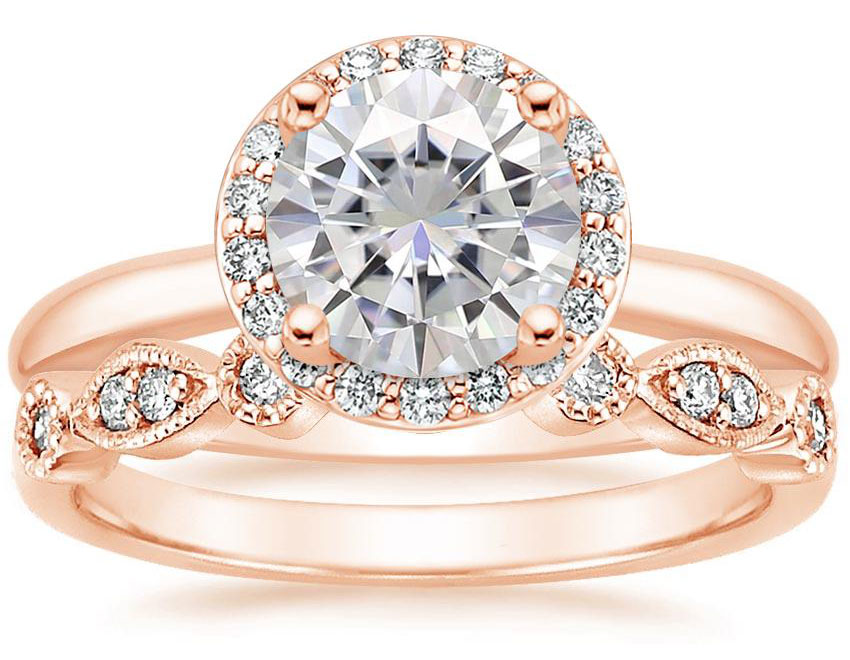
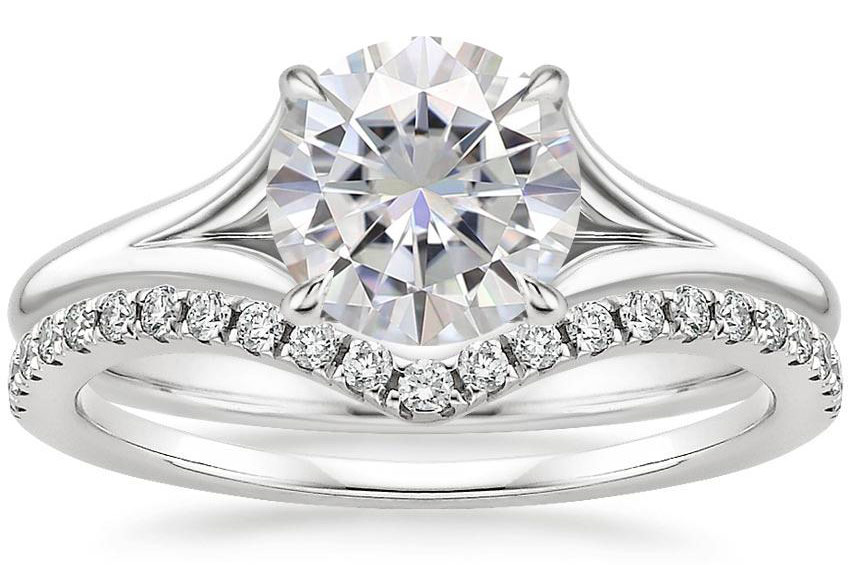
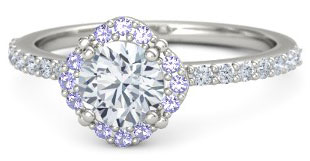
- Check out What is Moissanite? to find out more about moissanite gemstones and to compare moissanite to diamonds.
- Take a look at Moissanite Wedding Sets to see pros, cons and shopping tips for moissanite rings plus top picks for moissanite engagement rings and bridal sets!
'Cubic Zirconia Simulants'
are created from zirconium dioxide and are the least durable of all
diamond simulants, but they also come with the lowest prices.
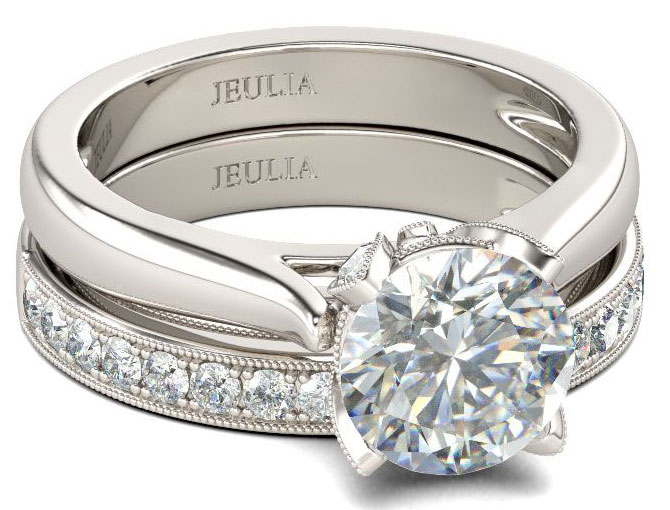
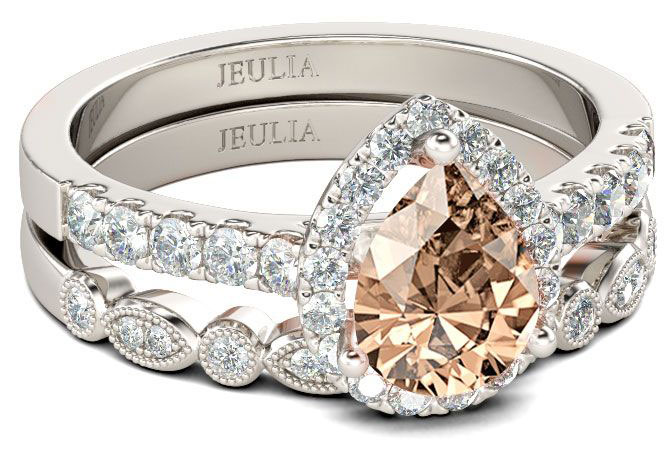
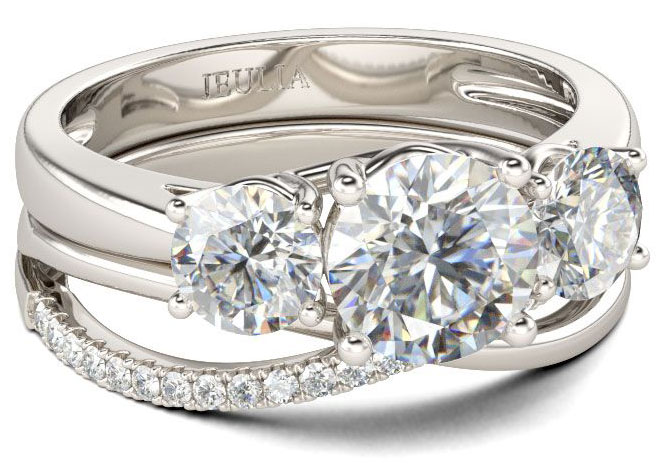
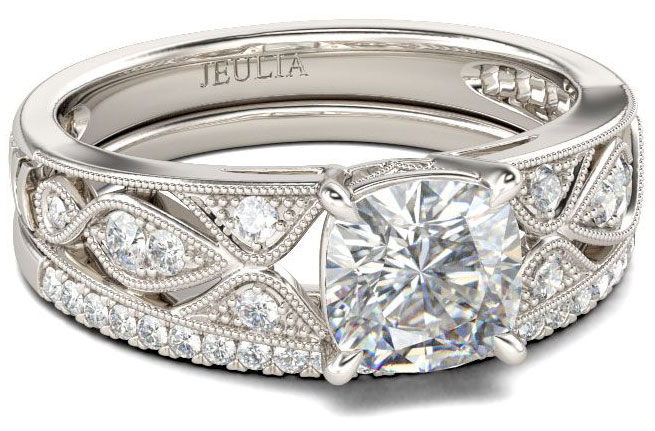
- Check out Cubic Zirconia Wedding Sets for advice on CZ diamond simulant rings care, shopping tips, precautions and to see EWR's top CZ wedding ring picks!
- Visit What is Cubic Zirconia? to see how CZ is synthesized.
- See Cubic Zirconia vs Diamond to compare the differences between CZ and natural diamonds.
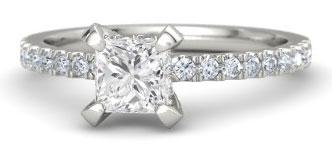
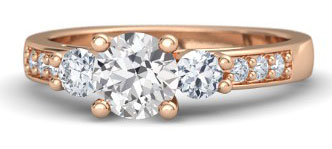
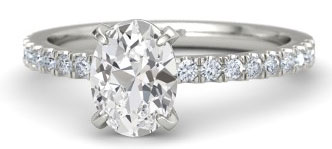
'White Sapphire Gemstones' can either be natural or lab created. Natural white sapphire is second only to a diamond when it comes to hardness and durability in natural stones. While this gemstone does not sparkle quite like a diamond, it is a beautiful gemstone to consider as a diamond alternative. Price wise, natural white sapphires are similar to the cost of moissanite.
Check Out White Sapphire Engagement Rings by Gemvara
Synthetic Diamonds also known as cultured or created diamonds,
HPHT diamonds, and CVD diamonds, are 'grown' in a laboratory and they
have physical characteristics which are identical
to real diamonds. (Laboratories which produce these diamonds
microscopically inscribe them with a number so they cannot be identified
as 'real' diamonds for insurance or reselling purposes).
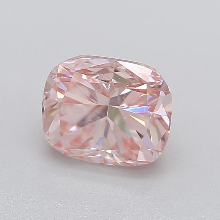
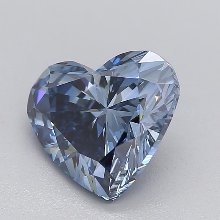
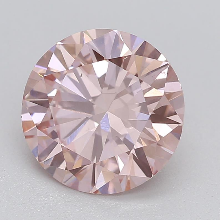
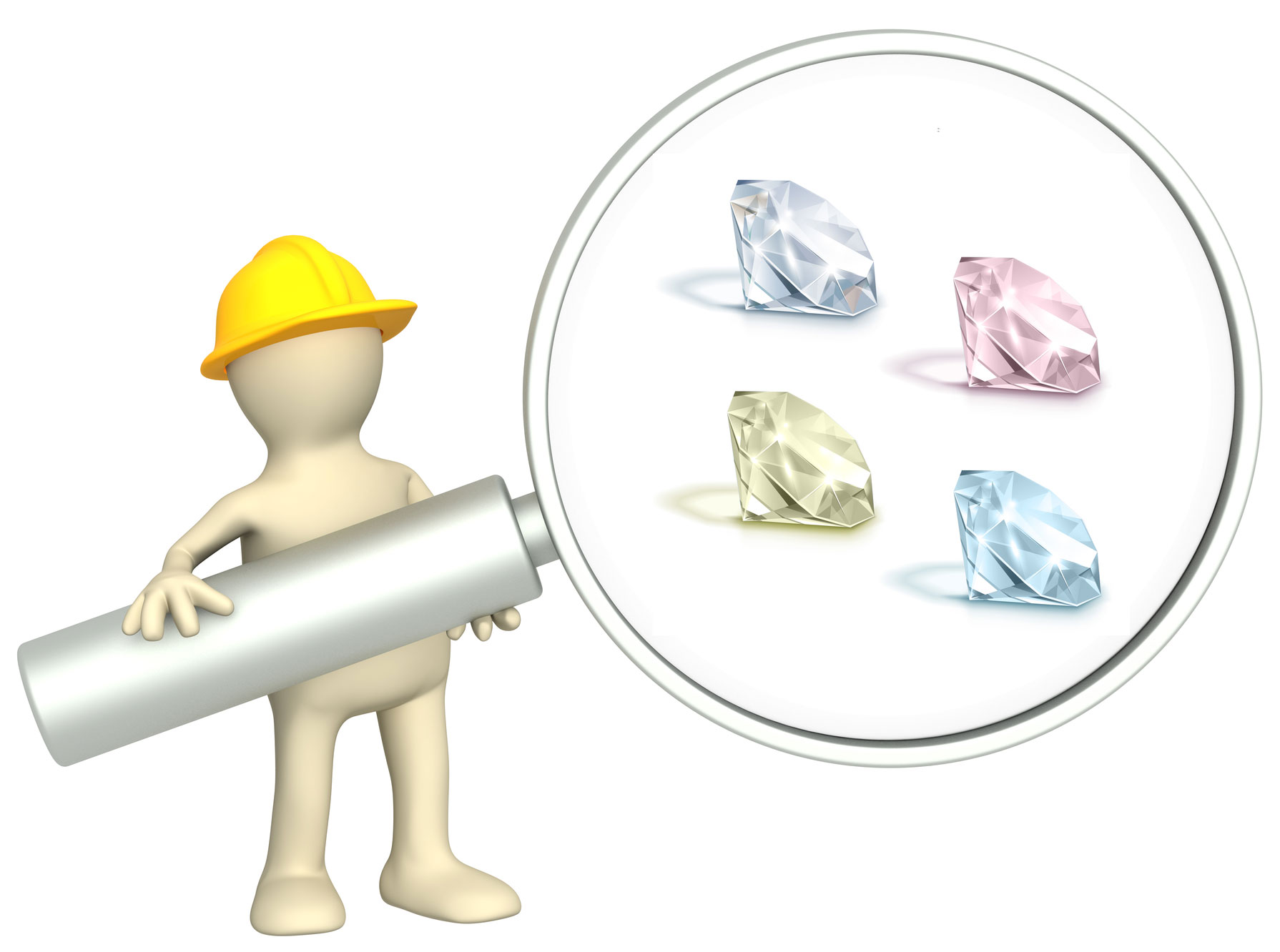
Examples of Colored Synthetic Diamonds by Brilliant Earth
Visit EWR's comprehensive page about Lab Created Diamonds to find more about synthetic diamonds and synthetic man made diamond engagement rings and wedding bands.
- HPHT (high pressure high temperature) synthetic diamonds mimic
conditions in a laboratory which are needed to form real diamonds in
nature; CVD (carbon vapor deposition) creates conditions which cause
hydrocarbon gas to crystallize and form diamonds.
- Synthetic lab diamonds are new to the market, and
became more accessible to shoppers in the last five years. Fancy color synthetic diamonds are easier to produce than white (colorless) synthetic diamonds, and so there is a much wider selection of fancy synthetic diamonds. Synthetic fancies are also much more affordable than colorless synthetic diamonds.
- Synthetic diamonds can be purchased loose or set in synthetic diamond rings, and they are available in a wide range of cuts and shapes including the brilliant round, Asscher, radiant, princess and cushion cuts.
Man Made Diamonds Compare to Real Diamonds
| Cost | Hardness | No Flaws | Colorless | Brilliance | Fire | |
|---|---|---|---|---|---|---|
| Diamonds | Highest | 10.0 | Rare | Rare | Higher | High |
| Moissanite Simulant | Medium | 9.25 | Yes | Slight Tint | Highest | Highest |
| White Sapphire | Medium | 9 | Yes | Often | High | High |
| Carbon Coated CZ | Lower | 9.10 | Yes | Yes | Higher | High |
| Cubic Zirconia Simulant | Lowest | 8.5 | Yes | Yes | High | Higher |
| HPHT Synthetic | Higher | 10.0 | Nearly | Yes | Higher | High |
| CVD Synthetic | Higher | 10.0 | Nearly | Yes | Higher | High |
Comparing Synthetic Diamonds to Real Diamonds
- From the table, you can see that synthetic lab diamonds are
extremely similar to real diamonds. The only difference: most colored fancy synthetic
diamonds are less expensive than real diamonds (although colorless - white - synthetic diamonds are pretty much on par with the cost of real colorless diamonds), and they are nearly
flawless whereas most natural diamonds have some inclusions and blemishes.
- The only major con towards synthetic diamonds is the
price; you can still save thousands of dollars with the purchase of fancy
color synthetic diamonds, but synthetic diamond rings are still priced much higher than diamond simulant rings.
Comparing Simulant Diamonds to Real Diamonds
- Simulant diamonds are not as hard as a real diamond, their
brilliance and fire is not exactly like a real diamond, and unlike most
real diamonds they are flawless.
- The biggest pro towards simulant diamonds is their
cost. A one carat colorless loose cubic zirconia is around $40.00, a one
carat colorless loose carbon coated diamond is around $100.00, and a loose one
carat moissanite diamond is around $300.00.
- The biggest con towards simulant diamonds is their
difference in brilliance and fire. The moissanite gemstone has the highest
brilliance and fire which can create a 'disco ball' effect that is
undesirable to some consumers (although couples looking for engagement rings with plenty of bling love the extra fire of moissanite), and the cubic zirconia has a lower
brilliance, but higher fire, than real diamonds.
- Another con: While moissanite diamonds are
so hard they cannot be scratched under most circumstances, the cubic
zirconia diamond can scratch with long term wear and it has a tendency
to absorb oils. As a result, a cubic zirconia diamond simulant ring may appear cloudy
if scratches accumulate on the surface and if it is not regularly
cleaned.
- The moissanite diamond, like most real diamonds, is
not colorless. These diamonds have a very light tint of yellow or brown
which may or may not be visible to the naked eye.
- White sapphire has a look that is a bit dimmer than a natural diamond, and although it may not be as hard as carbon coated simulant diamonds, it is important to consider that a white sapphire as a strong hardness throughout the entire gemstone, not just on the surface.

Shopping Tips for Man Made Diamonds
Before you purchase a lab created diamond, always check to see if the company offers a guarantee or warranty in case the diamond becomes damaged or lost.
Just like real diamonds, synthetic diamonds which
have the same exact characteristics as real diamonds should come with a
certificate, preferably from a reputable laboratory like the Gemological
Institute of America (GIA) - certificates with synthetic diamonds
ensure that the diamonds purchased have quality cut, color and clarity
grades and that they are authentic synthetics.
Affordable
simulant or synthetic diamond rings can end up costing more down the
road if they are not made with durable materials and quality
workmanship. Avoid purchasing any rings that are plated (like the very
cheap brass or copper cubic zirconia rings plated with silver or 14k gold) and try
rings crafted with stronger metals.
For every day wear man made diamond
engagement rings - including synthetics and simulants like moissanite and white sapphire, metals including 18k gold, palladium and platinum are
best. For inexpensive but durable metals on cheaper diamond simulant rings,
like cubic zirconia, solid sterling silver rings offer durability and low price. To find out more about the qualities of silver, take a look at silver wedding rings.
Questions or Comments?
Do you have comments or questions about man made diamonds?
Send in your questions and comments, or share pics of your captivating man made diamond ring here!
I will post answers to your questions as soon as possible!
Comments and questions from EWR visitors
Click on the links to see comments and answered questions...
Carat Difference in Size in Cubic Zirconia 
I keep buying cubic zirconia rings, and when they arrive they look huge! I would like a 1 - 2 carat ring, but what is the carat difference so I can make …
The Best Place to Buy Quality Moissanite Not rated yet
Where is the best place here in Chicago Illinois or United States to buy or order a good moissanite 1 carat stone diamond and is moissanite better than …
Where to Find a Synthetic Diamond? Not rated yet
Where would you buy a synthetic diamond?
Hi Elle,
Lab created synthetic diamonds - which have the exact same physical and chemical properties …
Return from Man Made Diamonds to Everything Wedding Rings Home
Save money and reduce your carbon footprint with gently Used Wedding Rings


Looking for Synthetic Diamonds?
Here you will find the best recommendations for synthetic diamonds that have the same exact properties as real diamonds!
Is Rhodium Plate the right choice
for your rings?
Find durable Discount Men's Wedding Bands here!

What is Moissanite, and how does it compare to a diamond?

See a comparison of wedding ring metals Here!

See Why Platinum Is A Top Metal For Luxury Wedding Rings
See What You Can Expect From Cushion Cut Diamond Engagement Rings Here!

Discover all the parts of a diamond with this Anatomy of a Diamond page!
Find authentic Antique Wedding Rings and engagement rings with our handy guide!

Find out here why Palladium is an excellent wedding ring metal!
See amazing natural fancy Color Diamond Engagement Rings here!
What about an
Aquamarine Engagement Ring?
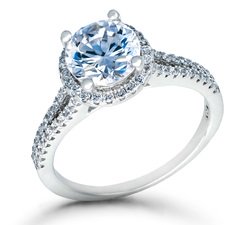
See why aquamarine is the perfect gemstone for gorgeous colorful wedding rings!
Recommended & Trusted Jewelers
Our Advertisement Policy



Adin Fine Antique Jewelry
Use Code=Everything-Wedding-Rings
For a 5% Discount
Choose a colorless lab created diamond at Brilliant Earth
In Sizes from Small to Over 1 Carat and Available in 10 Cuts Including Brilliant Round, Princess, Radiant, Emerald and Asscher!
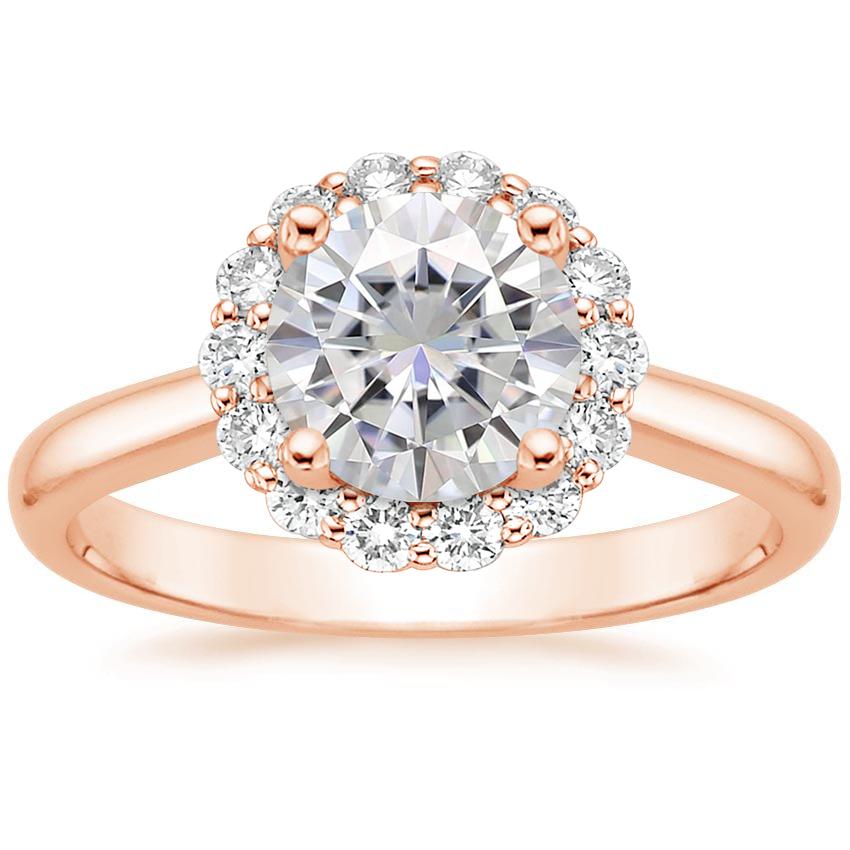
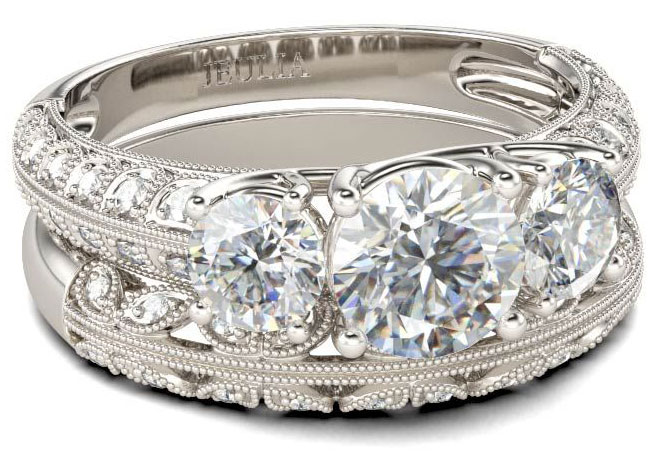
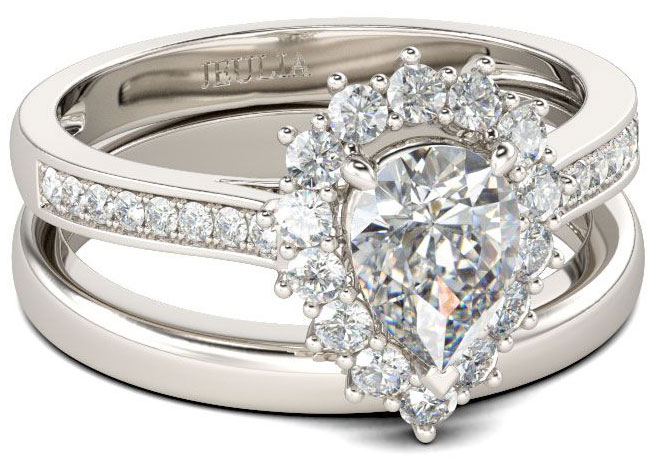
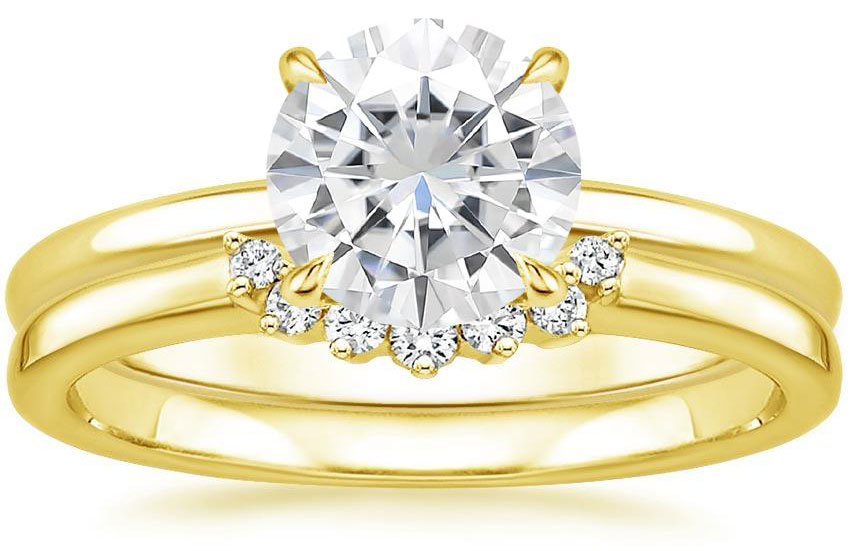
Diamond Simulant Ring Picks
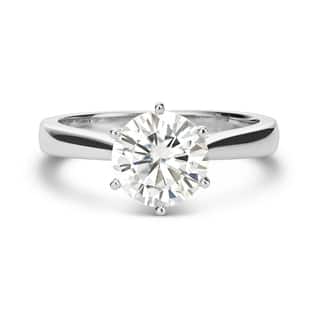
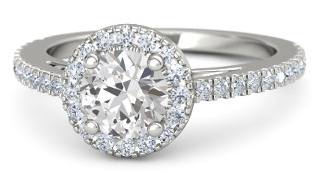
Everything-Wedding-Rings.com's Trusted & Highly Recommended Jewelers

Pages Our Visitors Love the Most
Copyright(C) 2009-2023 everything-wedding-rings.com. All rights reserved.
New! Comments
Share your comments below!