Pearl Engagement Rings
And
The Best Pearl Shopping Guide
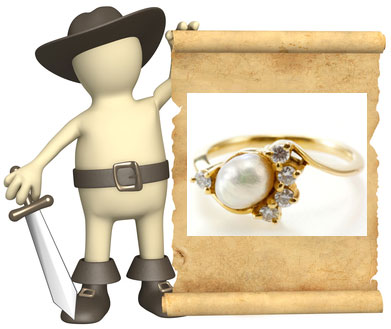
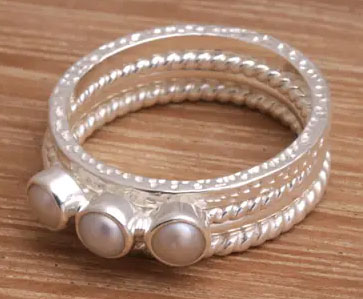
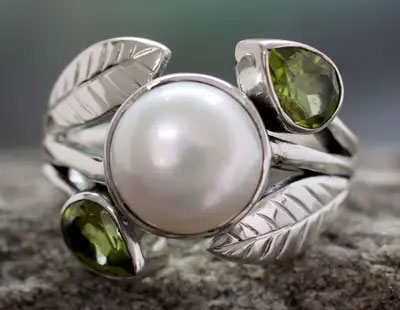
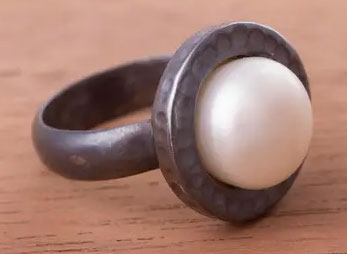
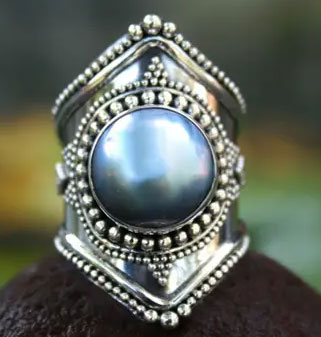
Pearl engagement rings hold a gemstone which has been admired and treasured for thousands of years.
As the only gemstone which must form within a living mollusk, the pearl is unique, captivating, and highly valued. Pearl wedding rings and engagement rings do require special care to preserve the gemstone’s natural luster and color, but with care and attention these rings will be treasured for a lifetime.
To find the perfect pearl wedding ring, use the info below
including characteristics of the pearl, different types
of pearls used in rings, a pearl price guide, common pearl
enhancements, special care for pearl rings and the best metals for every
day wear pearl rings.
Pearl Fast Fun Facts!
Birthstone Month? Classical birthstone for the month of June
Durability: Good
Meaning: Purity, honesty and wisdom
Flash Factor: Mild
Special Care: Moderate
Price $$: Low to High
Availability: Rare to Good
And if you have any questions, comments or pearl wedding ring pics to share, just use the handy comment box at the end of the page!
|
Durability = Good
The pearl has
traditionally been associated with the moon, spirituality, honesty,
wisdom, and purity. The pearl is believed to imbue the wearer with
qualities of purity, honestly, and wisdom, and to connect the wearer
with nature and spiritual dreams through its association with the moon. Different Types of Pearls Natural Pearls = Natural pearls are by far the most highly valued of all pearls because they are so very rare. These types of pearls form within a shelled mollusk in saltwater or freshwater without any type of human intervention.
Cultured Pearls = Most pearl rings today are created using cultured pearls. These types of pearls are formed within shelled mollusks on saltwater or freshwater ‘pearl farms.’ On these farms an irritant is surgically placed within the mollusk to produce an irritation; the mollusk then forms a nacre layer of calcium carbonate around the irritation and a pearl is created. Saltwater Pearls = These types of pearls are grown inside a type of pearl oyster that can only live in saltwater. Saltwater pearls are either cultured or natural (rare). Pearl farms grow one saltwater pearl per oyster, and these pearls have a much higher value than freshwater pearls. Freshwater Pearls = These types of pearls are grown inside pearl mussels which live in freshwater. Freshwater pearls are either cultured or natural (rare) Pearl farms may culture twenty or more freshwater pearls per mussel. Pearl Comparison Table *The colors listed in the types of pearls below are their natural colors which occur without the use of synthetic dyes. |
Find Authentic Antique Pearl Rings at Adin 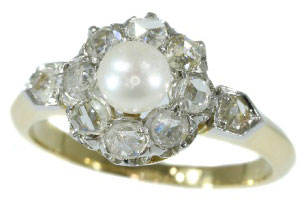 Use Code=Everything-Wedding-Rings for a 5% discount on online and phone sales! The Pearl Trillion Ring by Gemvara 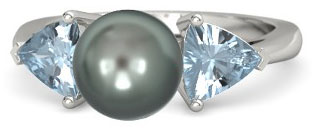 Choose from dozens of gemstones, 9 metals and 5 different |
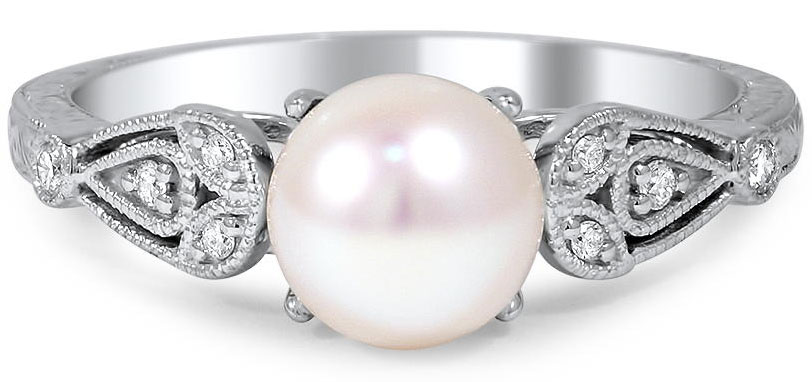
| Type | Origin | Colors | Size | Value | |
|---|---|---|---|---|---|
| Akoya Pearls | Cultured, Saltwater | Japan, China | white,cream,blue, rose,silver | 2-10 mm | Medium |
| Cortez Pearls | Cultured, Saltwater | Gulf of California | white,silver,gray, bronze,iridescent,black | 8-14 mm | Med-High |
| Freshwater Pearls | Cultured, Freshwater | Japan, China, U.S. | all | 1-13 mm | Low |
| Kasumiga Pearls | Cultured, Freshwater | Tokyo (Lake Kasumigaura) | white,pink,gold, rose,dark rose,purple | 11-16 mm | Med-High |
| South Sea Pearls | Cultured, Saltwater | Australia, Indonesia | white,cream,pink, gold,silver | 8-20 mm | Highest |
| Tahitian Pearls | Cultured, Saltwater | French Polynesia | gray,silver,black, peacock green,iridescent | 8-18 mm | High |
Other types of Pearls
Half Pearls
= These are any type of pearls that have been sawed or ground down on
one side to remove imperfections or blemishes (sometimes also referred
to as three-quarter pearls).
Blister Pearls
= Natural or cultured freshwater pearls which grow with a flat side due
to an attachment to the inside of the mussel shell. Tennessee is the
largest producer of blister pearls.
Maybè Pearls
= Cultured blister pearls which are formed by manually gluing the
irritation on the inside of the mussel shell; once removed a hole is
left inside the pearl which much be filled. These types of pearls are
not recommended for pearl engagement rings or wedding rings because they
have a low durability. (Solid Blister Pearls, as in Tennessee Blister
Pearls, are much more durable than Maybè Pearls).
Pearl Enhancements
Natural
and cultured pearls often receive permanent and safe enhancements to improve their
appearance or change their color. Unenhanced pearls are usually valued
higher than enhanced pearls.
- E or B label = The pearl has been bleached to yield a smooth white color.
- D label = The pearl has been dyed blue-black, rose, blue, golden or any other colors.
- R = The pearl has been irradiated to change the original color to blue, black, bronze and gray colors.
An Important Note About White Gold Pearl Rings
While tons of pearl and diamond rings, and other types of pearl wedding ring styles, are available in white gold it is best to avoid this metal for pearl rings. This is because pearls are very sensitive to the sulfuric compounds which are used in the rhodium plate process - over time, repeated rhodium plate applications will gradually cause pitting on pearls as the organic layers are literally eaten away by the ingredients in the rhodium bath.
Instead, it is best to stick with silver, palladium platinum, yellow gold or rose gold for your pearl wedding ring metals.
Special Care of Pearl Engagement Rings and Wedding Rings
Pearl engagement rings require special care to maintain their original luster and preserve the nacre coating around the pearl.
All
pearls are sensitive to heat, chemicals (household chemicals, cosmetics
such as lotions and performs), and ultrasonic cleaning methods.
Always
remove your pearl wedding ring before performing any household chores,
swimming in chlorinated water, or any other type of intensive work which
involves your hands.
To help preserve a pearl wedding ring,
apply lotions or cosmetics on first before putting the ring back on;
when your ring is off your hand, store the ring in a soft cloth bag so
it will not be scratched by other jewelry pieces.
Pearl Price Guide
Due
to the various types of pearls, sizes, and shapes, it is impossible to
put a specific price on pearls. However, below you will find how pearls
are valued and tips that will help you to choose a quality pearl
engagement ring or pearl wedding ring.
A specific grading
system for pearls has not yet been established, instead, pearl prices
are based on the pearl's luster, shape, size, color, and surface
uniformity.
Highly valued pearls have a very high luster, or
mirror-like reflective sheen, on the entire surface. Pearls with a
strong, thick, nacre layer are the only ones which can produce a natural
high grade luster.
Pearl engagement rings created with a
uniform, circular, shaped pearl are highly valued; although some rings
feature uniquely shaped pearls that are anything but uniform which many
buyers find attractive.
The price of a pearl depends heavily
on the pearl's size. Pearls are valued on their size in millimeters
(mm), and even a slight increase in millimeter size can drastically
increase the pearl’s value. This is especially true for pearls which
have a high luster and beautiful shape.
Natural rare colors
of pearls such as white-rose, silver-white, and light gold are more
highly valued than other colors. However, the color of a pearl ring
should be chosen based on personal preference.
Real pearls
always have minute bumps and ridges, but highly valued pearls will be
free of any surface imperfections or blemishes which are visible to the
naked eye.
Pearls which have not received any type of
enhancement are valued more highly than those which have been bleached,
dyed, or irradiated.
How to Tell A Fake Pearl from a Real Pearl
The tooth test: As all natural or cultivated pearls have small
imperfections on their surface, legend has it that if you rub a pearl
across your teeth you can tell a fake pearl from a real pearl by feeling
any small ridges or bumps rubbing on your teeth. However, as cultivated
pearl techniques have improved, these pearls are nearly as smooth as
synthetic pearls.
Light Test: If you a hold a pearl to bright
light or sunlight, you should be able to see slight imperfections on
the surface of the pearl, the shape, and the color. If you have a pearl
which has a perfect surface, shape, and color uniformity it is probably
synthetic or has been highly enhanced.
X-ray Test: A
synthetic pearl can immediately be differentiated from a real pearl
using an x-ray image; this service is available through gem laboratories
or certified gemologists for a fee.
Quality of the Setting
and Ring: Pearl engagement rings or wedding rings which hold highly
valued pearls are usually made out of precious metals such as gold,
platinum, or palladium, with a high grade of workmanship.
Shopping Tips for Pearl Engagement Rings
There are plenty of high quality pearl engagement rings on the
market, but couples still need to shop smart to ensure that they have
paid the right price for the right pearl.
Keep in mind that
there is no current grade standard for pearls; two widely used pearl
grading systems are the A-D system and the AAA – A system, but these
systems are often used erroneously and can be misleading.
Instead, it is best to concentrate on the factors that are a hallmark of a good
pearl: superb luster, shape, surface uniformity, size, and color.
Always research the type of pearl you are buying before completing
your purchase so you will know if the seller is being honest with you
about where the pearl originated from, which colors the pearls naturally
come in, and if the price is competitive. For instance, if you’re
looking at a “Natural Akoya Pearl” which is black in color, you will
know that Akoya Pearls are cultured saltwater pearls (not natural), and
that since black is not a natural color in this type of pearl it has
been dyed.
Beware of affordable natural pearl engagement
rings. Truly natural pearls are quite rare, and natural pearls which are
uniform in color, shape, and of a good size are almost impossible to
find unless you deal with a specialized retailer; these types of pearls
are highly valued in the tens of thousands of dollars price range.
It doesn't make sense to put a highly valued pearl in a poor quality
ring, or a ring which is made of low cost metals such as silver, or low
karat gold alloys. Beware of pearl engagement rings crafted with low cost metals which supposedly hold
valuable rare pearls.
Never purchase pearl engagement rings
or wedding rings without a return policy, and ask an independent jeweler
to evaluate the pearl if you are unsure about your purchase.
It is best to purchase pearl engagement rings or pearl wedding rings
from sellers which have plenty of experience dealing in these items and
who have a verifiable reputation.
If you are interested in pearl and diamond rings, remember to stick with retailers who offer rings which come with diamond certifications from a reputable laboratory such as the GIA, AGS, IGI or EGL.
An antique pearl engagement ring with diamonds should come with an estimate or appraisal plus a certificate of authentication. (Because mounted diamonds cannot go through the certification process - they must be loose - it is common for antique, vintage or estate pearl diamond rings to come with authentication and appraisal certificates instead).
Questions or Comments?
Do you have comments and questions about pearl engagement rings?
Send in your questions and comments or upload pics of your beautiful pearl wedding rings to share here!
I will post answers to your questions as soon as possible!
Comments and questions from EWR visitors
Click on the links to see comments and answered questions...
Custom Designing My Own Pearl Engagement Ring Not rated yet
I want to design my girlfriend's engagement ring. She wants a pearl with diamonds. I cant find a place that will help me design with a pearl.
…
Durability of Pearl Engagement Rings Not rated yet
Pearl rings look exquisite, but I am afraid a pearl engagement ring will quickly deteriorate. Do you think a pearl ring would hold with every day use? …
Return from Pearl Engagement Rings to Gemstone Engagement Rings
or
Return to Everything Wedding Rings Home

Find out here why Palladium is an excellent wedding ring metal!
Is Rhodium Plate the right choice
for your rings?
Find authentic Antique Wedding Rings and engagement rings with our handy guide!

What about an
Aquamarine Engagement Ring?
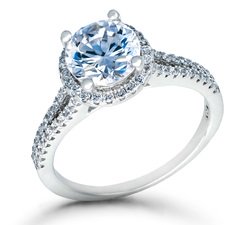
See why aquamarine is the perfect gemstone for gorgeous colorful wedding rings!
Are Silver Wedding Bands right for you?

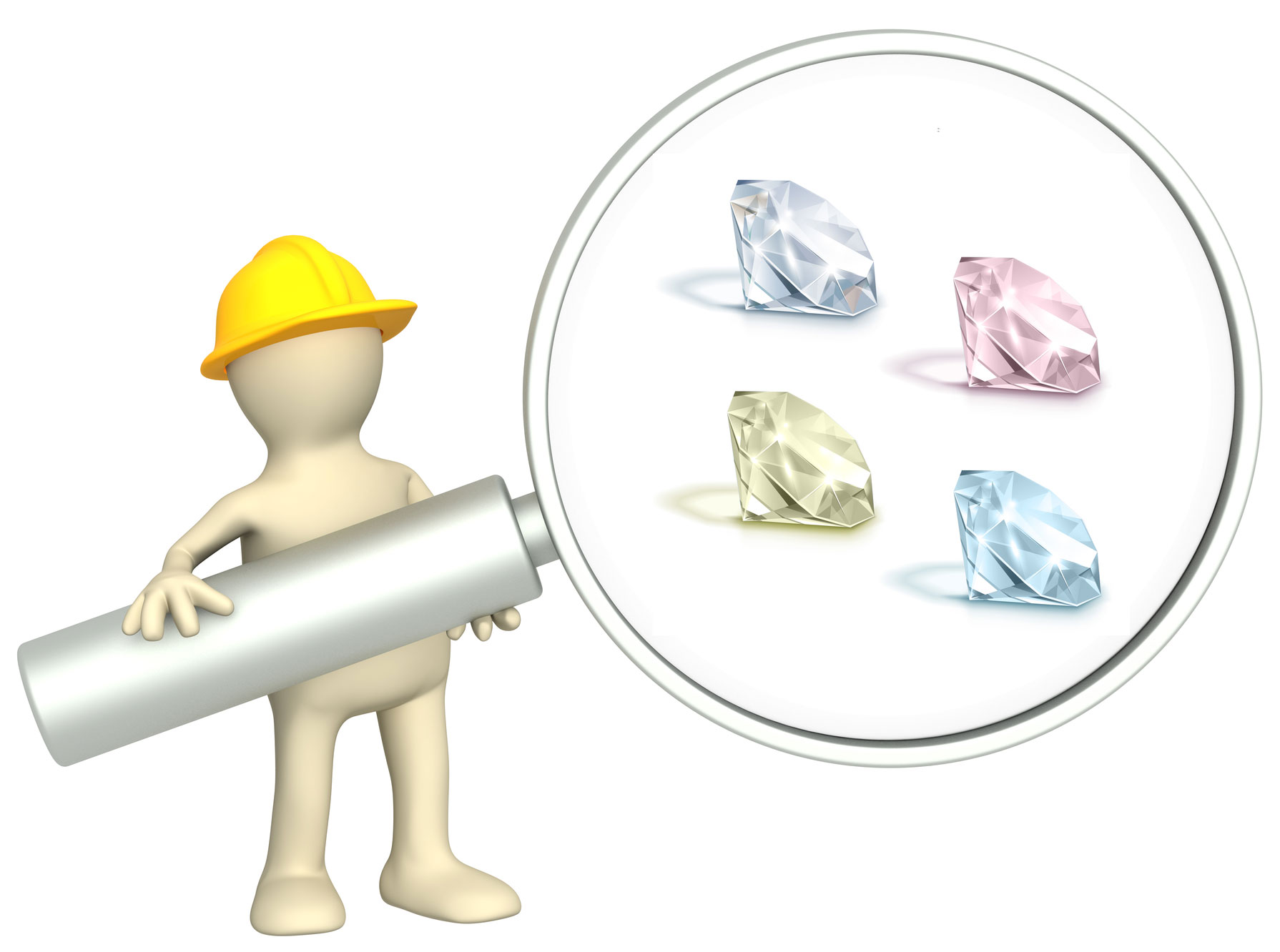
See amazing natural fancy Color Diamond Engagement Rings here!
Take a look at the Moh's Hardness Scale to find out more about
Gemstone Hardness and Durability
Take a look at Retro Rings, and see how World War II influenced jewelry styles.
What is Moissanite, and how does it compare to a diamond?

Interested in simulant or synthetic
Man-Made Diamonds?
Take a journey through time here to find classic Victorian Wedding Rings.

Take a look at the Moh's Hardness Scale to find out more about
Gemstone Hardness and Durability



Everything-Wedding-Rings.com's Trusted & Highly Recommended Jewelers

Pages Our Visitors Love the Most

Copyright(C) 2009-2023 everything-wedding-rings.com. All rights reserved.
New! Comments
Share your comments below!