Assessing Gemstone Appraisal
And
Properties that Contribute to Gemstone Value
Gemstone appraisal is an evolving science,
and gemologists are in the
midst of determining which standards will be best for gemstone
evaluations.
The many different types of gemstones and their colors,
shapes, and sizes adds to the complexities of this process.To find the ideal gemstone or gemstone wedding ring for the perfect
price, check-out EWR's helpful info below.
Determining Gemstone Value
Currently there are no industry standards when it comes to valuing a gemstone (other than a diamond), but gemologists can still determine a good ballpark estimate for a gemstone based on the stone's 4 Cs: cut, color, clarity and carat.
Although when it comes to determining a gem's value, the importance of each "C" and how much each "C" affects value can change dramatically depending on the type of gemstone being evaluated.
Fast Fun Facts About Gemstone Appraisal!
Cut is - across the board - one of the most important 'C' used to value gemstones.
The 3 Best and Most Reputable Gemstone Appraisal Labs?
Gemological Institute of America (GIA)
American Gem Society (AGS)
American Society of Appraisers (ASA)
Inclusions are inside gemstones
Blemishes are on the outside of gemstones
|
The Importance of Cut in Colored Gemstones Cut is perhaps the most consistently important C when it comes to determining the value of a gemstone. A poor cut, or a mediocre commercial cut, will fail to bring out the brilliance, fire, and color of a gemstone. A superior custom cut can be the difference between a pretty gemstone and a breathtaking captivating gemstone. For non-gemologists, it can be challenging to
immediately distinguish between a commercial cut and a superior custom
cut, but taking the time to view different cuts of the same gemstone
will offer a clearer picture of
the differences between quality and mediocre cuts.
The other 3 C's of Gemstone Value Depending on the type of gemstone, color can make a huge difference in gemstone value. Take for instance the sapphire; a light yellow sapphire is priced on average around $500.00 per carat, but the rare and high in demand padparadscha sapphire with sunset and salmon colors is priced on average between $5,000 - $15,000 per carat. The saturation of the gemstone's color will have
an effect on gemstone appraisal too. Saturation is the intensity and
depth of the gemstone's color, and gemstones with washed out, faded
or irregular colors are much less desirable than those with a high
degree of color saturation.
Ideal color characteristics for gemstones include a moderate to high level of saturation that is consistent throughout the entire gemstone. Clarity will also affect the value of a gemstone. Some gemstones, like emeralds, are formed naturally with inclusions, and as long as these inclusions are not visible or do not adversely affect the durability of the gemstone they will not have much of an impact on the stone's overall value. Yet with other types of gemstones, such as aquamarines, clarity is an important factor to determining the stone's value. Clarity has the highest impact on gemstones that are either rarely found with a high degree of clarity or that are commonly found with a high degree of clarity. Take the two examples above. Emeralds commonly have inclusions, so an emerald with a high clarity grade is very rare and therefore highly valued. Aquamarines are frequently found with high clarity grades, so a visible inclusion in an aquamarine stone will dramatically reduce its value. |
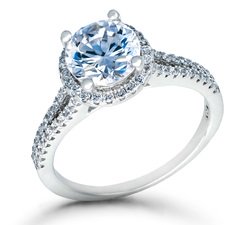
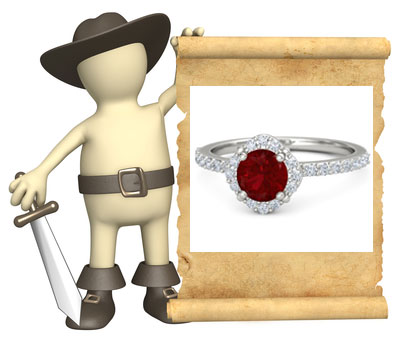
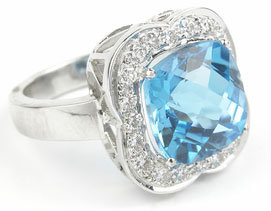
Top Gemstone 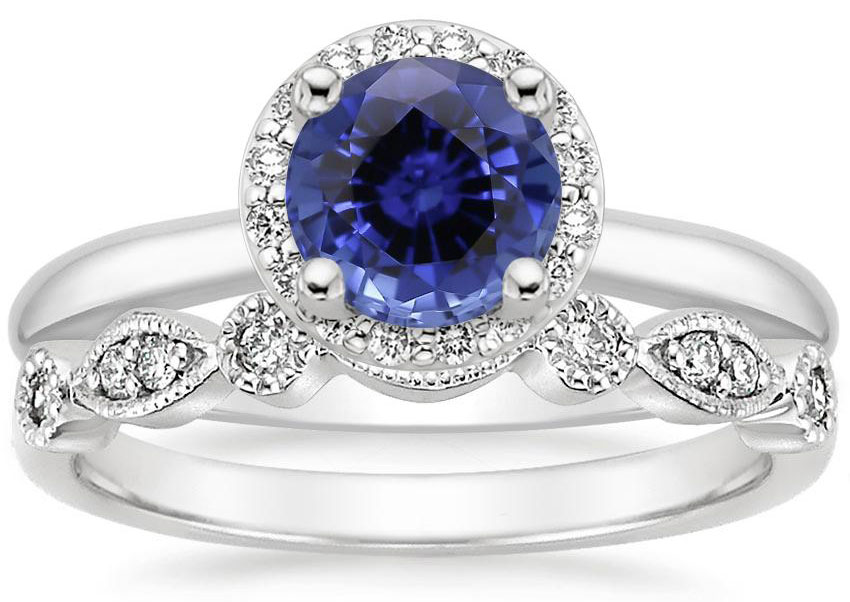 Halo Sapphire and Diamond Platinum Wedding Ring Set by Brilliant Earth 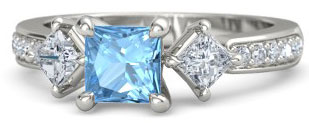 Princess-Cut Blue Topaz and Diamond Palladium Engagement Ring 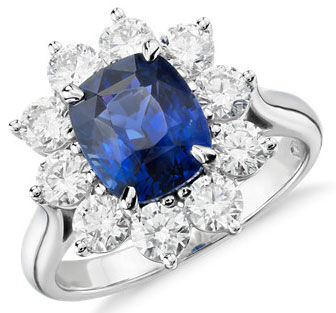 Cushion-Cut Blue Sapphire Diamond Platinum Engagement Ring 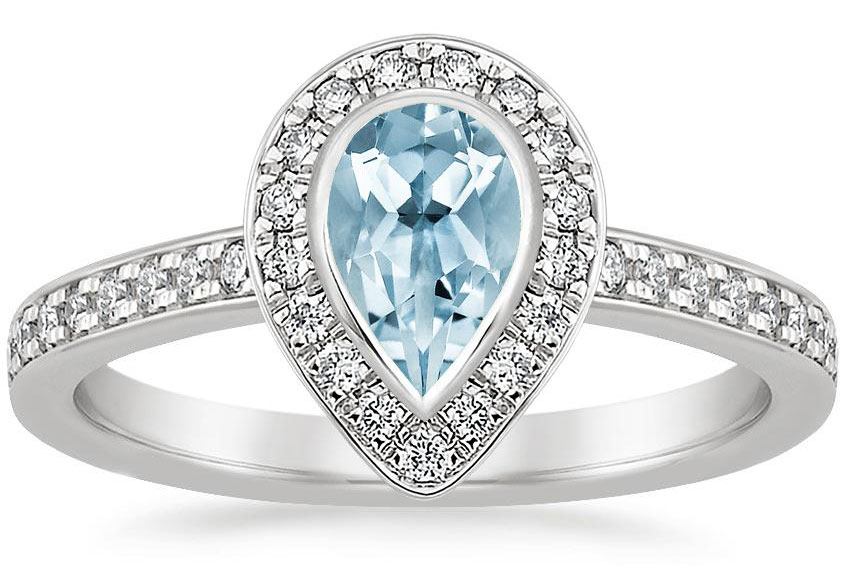 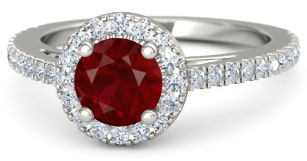 Ruby and Diamond Palladium Engagement Ring by Gemvara |
Gemstone Carat Size
The effect that carat size has on a gemstone's value really depends on the type of gemstone being evaluated. The above mentioned aquamarine is an excellent example - this type of gemstone is often found in extremely large carat sizes, and so the carat size of an aquamarine has little to do with its value (a 40 carat aquamarine can cost no more than a 5 carat aquamarine). Yet other types of gemstones, like rubies, which are rarely found in larger carat sizes are valued largely by their carat size.
How to Protect Yourself when Buying Gems
So with all these variables how can you be sure that your gemstone has been appraised correctly? The safest bet is to have your gemstone evaluated by an independent third party gemologist who is not involved with the seller.
Many gemstone retailers offer their own appraisals, but these appraisals are questionable at best. Instead, it is best to have your gemstone evaluated by a certified gemologist who has received gemstone appraisal accreditation through companies with stellar reputations including:
The American Gem Society (AGS)
The American Society of Appraisers (ASA)
The Gemological Institute of America (GIA)
You can find an accredited gemologist in your area by visiting the above mentioned websites.
Gem shoppers can also protect themselves by researching the gemstone they are interested in, finding out if any synthetics or simulants are on the market, identifying which C's are most important in determining the value of the gemstone, and by never ever purchasing a gemstone or gemstone ring without a return policy.
Always choose a refund policy that gives you enough time to have your gemstone evaluated by an independent gemologist, or even better - purchase a gemstone that has already been certified by an independent reputable lab.
Do not purchase gems or rings with gemstones that have
certifications and appraisals offered by an unknown company or through a
company that has a relationship with the seller.
Gemstone Appraisal and Gemstone Certification
It is important to note that gemstone certification and gemstone appraisal are two different things.
A gemstone certification will grade the gem's clarity in addition to mapping the gem, and listing the gem's exact measurements, type of cut, and carat size.
A gemstone appraisal is offered after a certification has been issued for the gem. Many independent gemstone laboratories only offer certifications, but accredited independent gemologists will provide a certificate and an appraisal of the gem.
Return from Gemstone Appraisal to Gemstone Engagement Rings
or
Return to Everything Wedding Rings Home
Take a look at the Moh's Hardness Scale to find out more about
Gemstone Hardness and Durability
See Why Platinum Is A Top Metal For Luxury Wedding Rings

Find out here why Palladium is an excellent wedding ring metal!
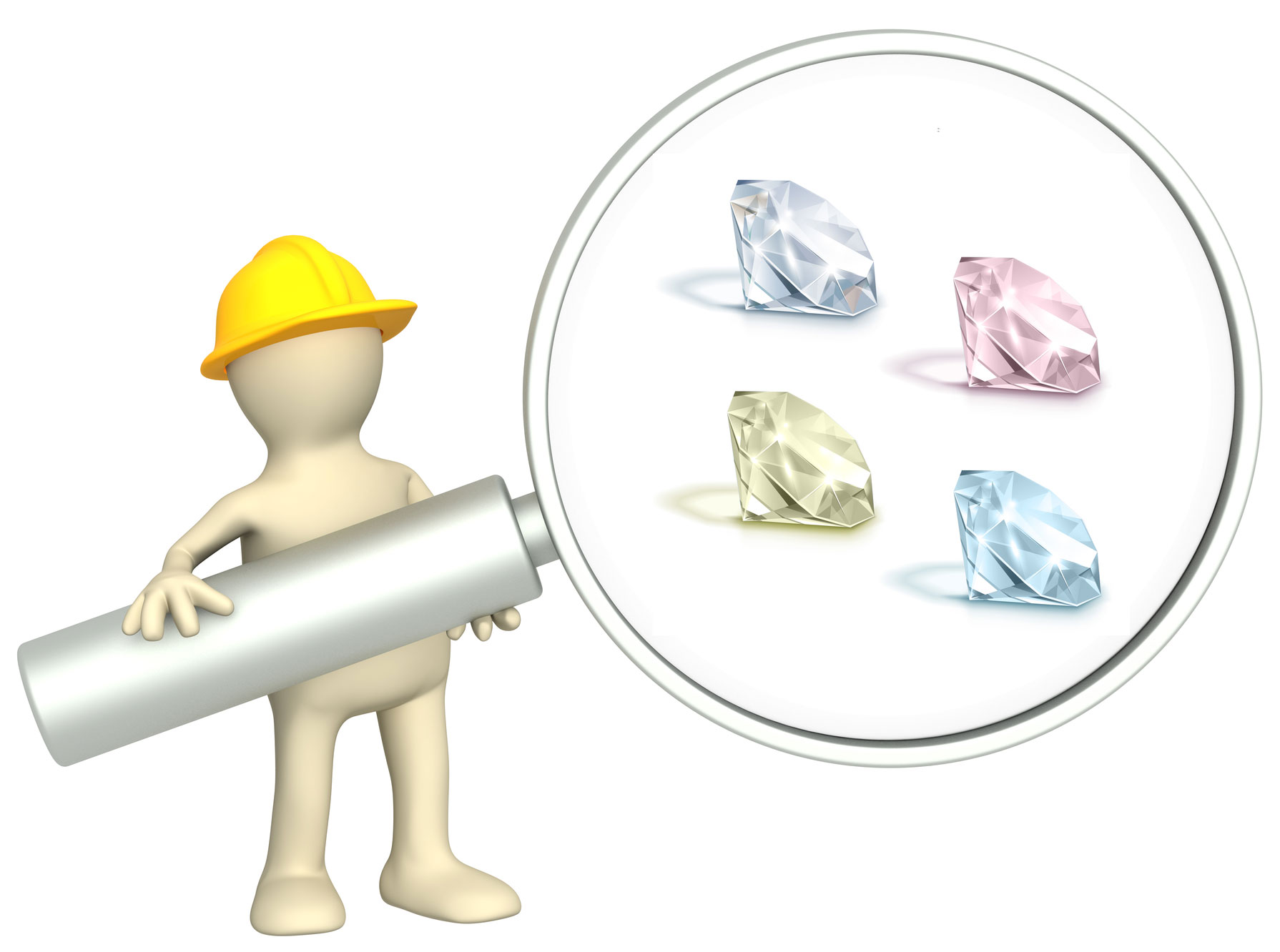
See amazing natural fancy Color Diamond Engagement Rings here!
What about an
Aquamarine Engagement Ring?
See why aquamarine is the perfect gemstone for gorgeous colorful wedding rings!
Recommended & Trusted Jewelers
Our Advertisement Policy



Adin Fine Antique Jewelry
Use Code=Everything-Wedding-Rings
For a 5% Discount
More Top Gemstone Wedding Ring Picks!
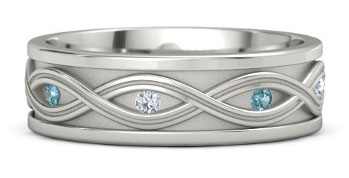
'Infinite Braid' Men's Blue Topaz and Diamond Platinum Wedding Band
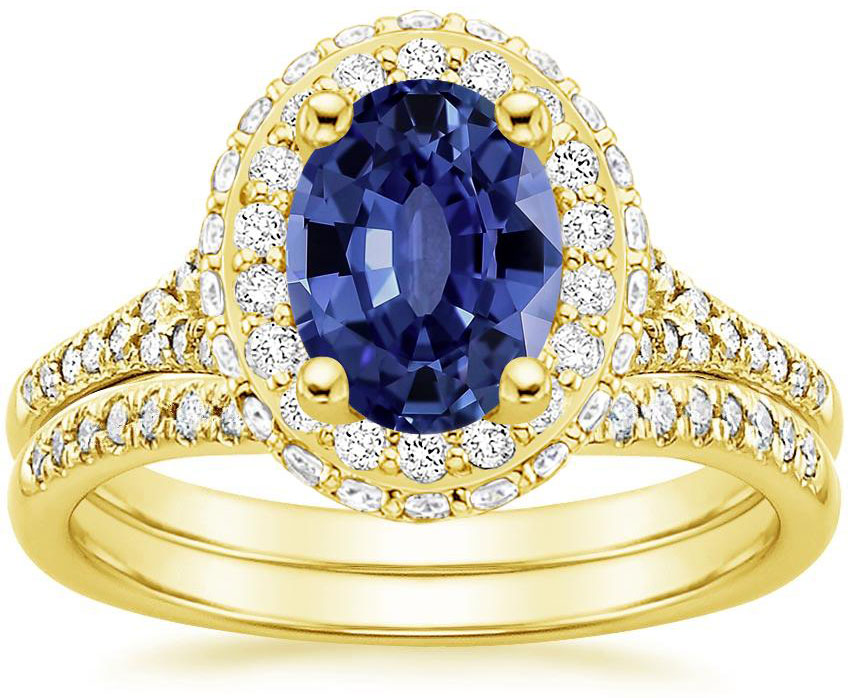
'Circa' Oval-Cut Sapphire and Diamond 18k Yellow Gold Wedding Ring Set by Brilliant Earth
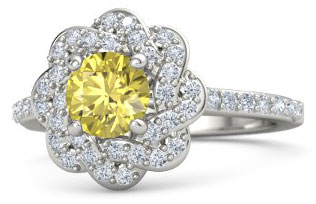
'Lilly' Yellow Sapphire Diamond and Palladium Engagement Ring by Gemvara
(matching band available)
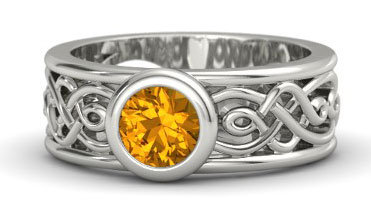
'Alhambra' Citrine Celtic Style Palladium
Wedding Band by Gemvara
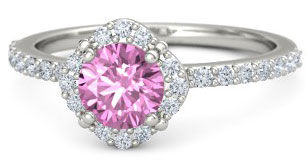
'Grace' Pink Sapphire and Diamond Platinum Engagement Ring by Gemvara
(matching band available)
Everything-Wedding-Rings.com's Trusted & Highly Recommended Jewelers

Pages Our Visitors Love the Most


Copyright(C) 2009-2023 everything-wedding-rings.com. All rights reserved.