Lab Created Diamonds
And
Synthetic Diamond Rings
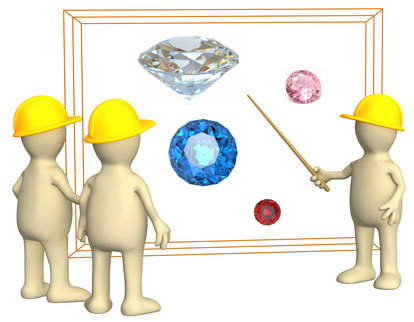
Synthetic lab created diamonds offer an eco-friendly and ethical
alternative to wedding rings and engagement rings made with real
diamonds.
Plus, these types of lab grown diamonds have the exact same
physical characteristics as real natural diamonds.
To find out more about synthetic diamonds, also known as HPHT or CVD diamonds, including pros and cons of lab grown diamonds, averages prices, comparisons to natural diamonds and essential shopping tips, check out the helpful info below.
Fast Fun Facts About Synthetic Diamonds
Synthetic diamonds are indistinguishable from natural diamonds.
Fancy color synthetic diamonds are much less expensive than natural fancy color diamonds.
The process that is used to make most synthetic diamonds is known as HPHT - High Pressure High Temperature.
And if you have any questions about lab created diamonds, or you would like to send in comments, reviews or pics of your stunning synthetic diamond ring, just use the handy comment box at the end of the page!
Synthetic vs Simulant Diamonds
There is a distinct difference between synthetic and simulant diamonds:
Simulant
diamonds look like real diamonds but have different physical properties than natural diamonds. Examples of simulant diamonds
include cubic zirconia, moissanite and white sapphire.
Synthetic
diamonds have the exact same physical and molecular properties as
natural diamonds - the only difference between lab diamonds and
natural diamonds is that they were created in a lab. Examples of
synthetic diamonds include HPHT diamonds and CVD diamonds, and synthetic diamonds always come with a micro-laser identification number invisible to the naked eye plus they come with diamond certification reports from reputable companies just like natural diamonds.
Unfortunately, even though there is a clear difference between simulants and synthetics - simulants are sometimes sold as synthetics. If you are searching for a real synthetic lab created diamond, use the shopping tips and recommendations below to make sure the diamonds are true synthetics.
How Synthetic Lab Created Diamonds Are Made
Laboratory created synthetic diamonds are made through two methods: HPHT and CVD.
HPHT
High-Pressure High-Temperature synthesis is the most common method which is used to manufacture lab created diamonds because it is more affordable than CVD. The process mimics the natural conditions which result in natural diamond formation – and uses a small synthetic diamond ‘seed’ coupled with a carbon source to create colorless and fancy color diamond synthetics.
CVD
Chemical Vapor Deposition synthesis creates lab grown diamonds from a hydrocarbon gas source. During this process, the carbon rich gas is fed into a chamber and then exposed to increased temperatures and a power source (like a microwave, laser or electronic beam) that forces the carbon particles to align into a crystalline diamond structure. CVD can be used to grow diamonds used in synthetic diamond rings, but it is used more often for technological purposes – like creating diamond tipped lasers and tools.
HPHT and CVD
produce the same type and same quality of synthetic diamonds – and just
like real diamonds, HPHT and CVD diamonds must be cut and polished once
they are produced.
Synthetic Lab Created Diamonds vs. Real Diamonds
How
do synthetic lab grown diamonds compare to real diamonds – they are
virtually one and the same. Here is a table comparing HPHT and CVD
diamonds to real diamonds. (If you would like to see how synthetic
diamonds compare to diamond simulants, check out the table on our man-made diamonds page).
| Hardness | No Flaws | Refractive Index | Optical Properties | Weight | |
|---|---|---|---|---|---|
| Diamonds | 10.0 | Rare | 2.4 | Same | Same |
| HPHT Synthetic | 10.0 | Nearly | 2.4 | Same | Same |
| CVD Synthetic | 10.0 | Nearly | 2.4 | Same | Same |
The only difference between natural diamonds and synthetic diamonds are
that synthetic diamonds contain practically no flaws - which is
exceedingly rare in natural diamonds. Colorless synthetic
diamonds are virtually colorless too with very little to no color tint, which is also an extremely rare quality in
natural diamonds.
HPHT and CVD diamonds can also be harder
than even real diamonds because they are almost completely flawless.
The imperfections in real diamonds, outer and inner imperfections known
as blemishes and inclusions, can have a minute impact on the hardness
of the stones. And a natural diamond with a poor clarity rating can have
increased risks for breaking and chipping. But as HPHT and CVD diamonds are often produced with very little amounts of inclusions or blemishes, their higher clarity equals to improved strength and durability.

Pros of Synthetic Lab Created Diamonds
Synthetic lab created diamonds have a ton of pros, and the two top pros of these types of diamonds are that they are environmentally friendly and extremely durable. Other pros include:
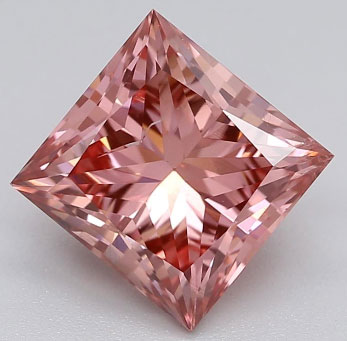
- Availability. In addition to colorless (white) diamonds, fancy colored synthetic diamonds are available in a huge variety of colors including canary yellow, orange, cognac, green, blue, pink and red. Natural fancy colored diamonds are quite rare and extremely expensive - unlike their synthetic counterparts.
- Styles. Synthetic diamonds are also
available in a large selection of cuts and shapes, and it is possible to buy synthetic diamonds already fashioned into synthetic diamond rings. Available carat sizes have also increased dramatically in the past few years.
- 100% Conflict Free: Synthetic diamonds are 100% conflict free! It is estimated that up to 15% of the diamonds sold today could be considered 'blood diamonds' - selecting synthetic diamonds is one way to make sure that your diamonds are 100% ethical.
Cons of Synthetic Lab Created Diamonds
When lab grown diamonds first started to roll out, the colorless synthetics actually cost more than natural diamonds. This is no longer the case as the demand for synthetic fancy and colorless diamonds has increased and laboratories have improved their output and processes.
The major con to synthetic diamonds? While synthetic diamonds are valuable, they do not have the value that real colorless and natural diamonds have long term and most likely will not increase in value over time.
Prices and Value of Synthetic Diamonds
Below
you will find the average price for 0.5 carat loose synthetic lab
created diamonds vs natural diamonds with comparable clarity, cut and
color characteristics.
| Colorless | Blue | Yellow | Red | Pink | Green | |
|---|---|---|---|---|---|---|
| HPHT/CVD | $1,284 | $3,000 | $1,500 | $2,000 | $1,500 | $800 |
| Natural | $3,000 | $30,000 | $7,000 | $150,000 | $30,000 | $30,000 |
Prices for synthetic and natural diamonds will vary according to cut,
color, carat and clarity – but as you can see from the table, you can
save a huge amount of money with the purchase of a synthetic fancy color
diamond as opposed to a natural fancy color diamond.

Shopping Tips for Synthetic Lab Created Diamonds
If you are searching for synthetic diamond rings or loose lab grown diamonds, keep these tips in mind:
Stick with companies which sell synthetic lab created diamonds that come with a certificate from a reputable laboratory like the GIA.
The certificate will confirm that your diamond is indeed a synthetic diamond – and not a simulant – and it will provide a grade on the diamond's clarity, cut, polish and color. The certificate will also map out the diamond, which will come in handy if the diamond is ever lost or stolen.
Always double check that you are definitely purchasing lab grown diamonds which have the exact same characteristics as natural diamonds. While these diamonds are almost always called ‘synthetic’ or ‘created’ diamonds, some retailers may also use these terms for simulant diamonds. (Remember: simulant diamonds look similar to real diamonds but do not have the same chemical/physical characteristics as natural diamonds).
- Price is a terrific indicator of whether or not a synthetic diamond is truly a synthetic. If you see a synthetic diamond for sale for a too good to believe price, chances are this diamond is really just a simulant.
Reputable
synthetic diamond producers laser inscribe each of their diamonds with a
microscopic serial number – which identifies the diamond as a lab
produced synthetic diamond. If you see a synthetic diamond for sale
without a laser inscribed number and certification beware – you could be purchasing a
cheap imitation or you won't have essential info on the diamond that you need for insurance/value purposes.
Lab grown diamonds may either be purchased loose,
or fashioned into synthetic diamond rings. If you buy the diamonds
loose, you can work with a local or online jeweler to design a custom handmade
ring. For a synthetic diamond engagement ring or wedding band, stick
with companies that use eco-friendly metals too, to ensure that the
environmentally friendly aspect of the synthetic diamonds are not lost.
EWR's Top Recommendations for Lab Created Diamonds
Clean Origin: Here you will find ONLY lab created colorless and fancy color diamonds in a huge selection of sizes and shapes which can be chosen to create your ring, plus pre-designed men and women's wedding bands and engagement rings in lab created diamonds. These diamonds are certified, authentic and from one of the best synthetic diamond wedding ring companies.
Brilliant Earth: For a large selection of colorless synthetic diamonds and a selection of fancy color diamonds, BE is a great option, particularly if you want to design a unique ring around a lab created diamond of your choice. All synthetic diamonds are certified.
Gemvara: This eco-friendly company offers the option of selecting lab created certified diamonds for any of their pre-designed men's and women's wedding rings. You will not find fancy colored diamonds here but rather a large selection of colorless diamonds in a variety of shapes and sizes.
Questions or Comments?
Do you have comments or questions about synthetic lab created diamonds?
Send in your questions and comments, or upload pics of your synthetic diamonds or created diamond rings to share here!
Comments and questions from EWR visitors
Click on the links to see comments and answered questions...
Do Synthetic Diamonds Cloud Up? Not rated yet
Do the synthetic diamonds eventually "cloud up" even after being cleaned like CZ do after a few years? I hear that there are fine cracks in the surface …
Return from Lab Created Diamonds and Synthetic Rings to Man Made Diamonds
or
Return to Everything Wedding Rings Home
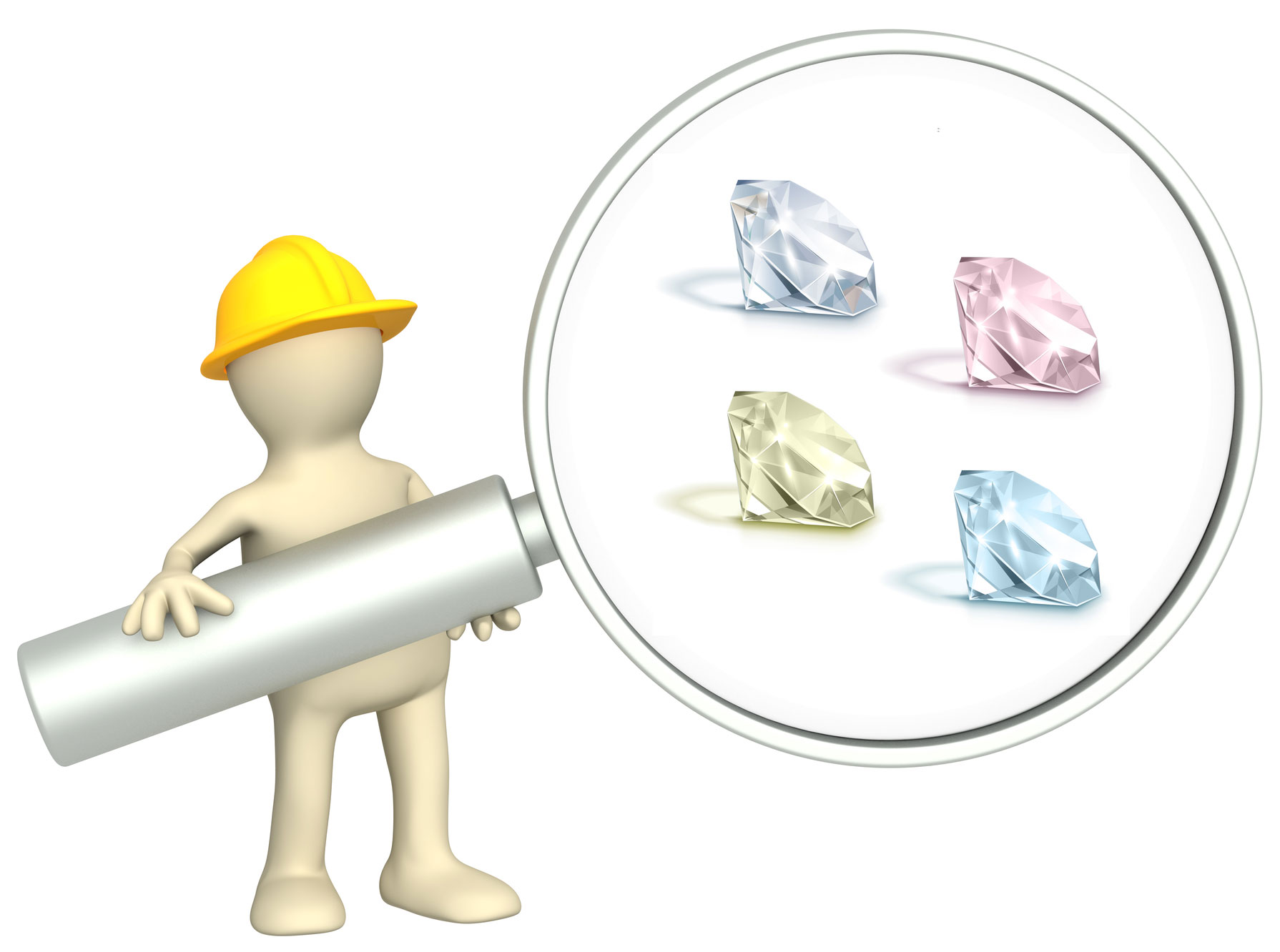
Interested in simulant or synthetic
Man-Made Diamonds?
Is Rhodium Plate the right choice
for your rings?

What is Moissanite, and how does it compare to a diamond?

See Why Platinum Is A Top Metal For Luxury Wedding Rings

See Why You'll Fall in Love with
Emerald Cut Diamonds

Find out here why Palladium is an excellent wedding ring metal!

Looking for Rose Gold Wedding Rings? Find out more about rose gold rings here!
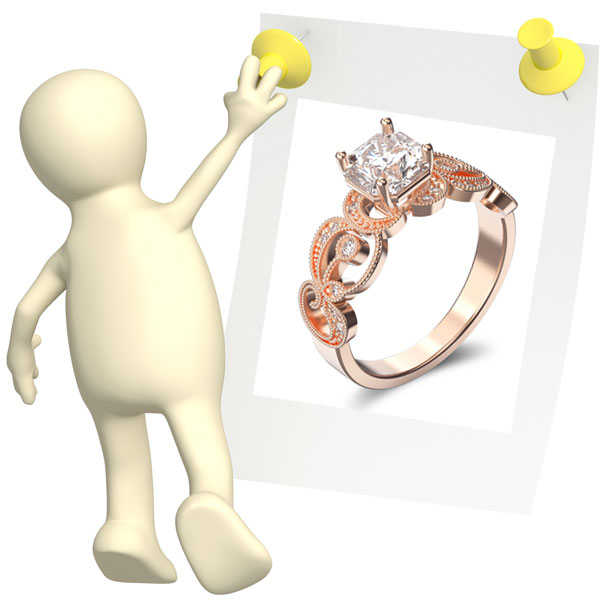
See What You Can Expect From Cushion Cut Diamond Engagement Rings Here!

Find authentic Antique Wedding Rings and engagement rings with our handy guide!

See amazing natural fancy Color Diamond Engagement Rings here!
Recommended & Trusted Jewelers
Our Advertisement Policy



Adin Fine Antique Jewelry
Use Code=Everything-Wedding-Rings
For a 5% Discount
Top Lab Created Wedding Ring Picks
and Loose Lab Created Resources
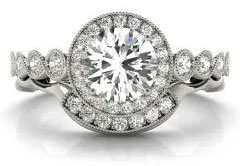
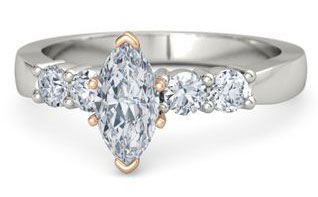
'MoonBeam' Lab Created Diamond Platinum Wedding Set by Clean Origin
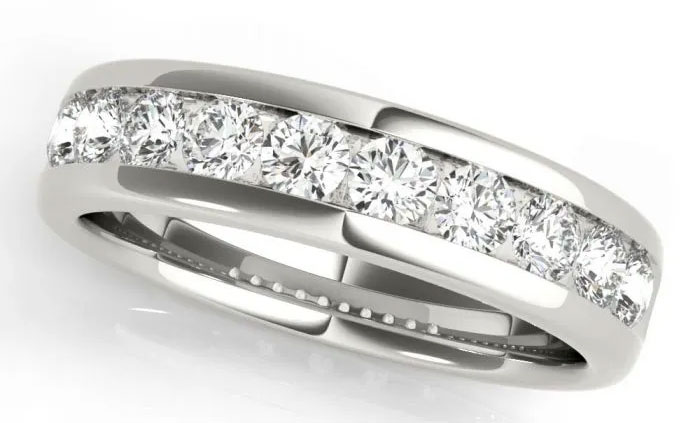
'Nico' Men's Lab Created Diamond Wedding Band in Platinum by Clean Origin
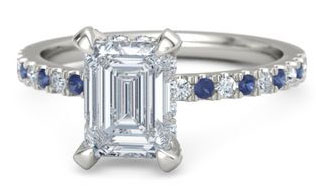
Emerald Cut Synthetic Diamond Engagement Ring in Platinum with Blue Sapphire Accents by Gemvara
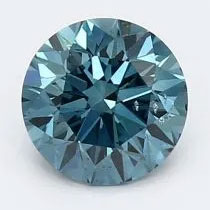
See the Full Collection of Fancy Color Diamonds
by Clean Origin
Everything-Wedding-Rings.com's Trusted & Highly Recommended Jewelers

Pages Our Visitors Love the Most

Copyright(C) 2009-2023 everything-wedding-rings.com. All rights reserved.
New! Comments
Share your comments below!